
Lotus 7 (1957 – 1973) Review
.jpg?width=640&height=426&rmode=crop)
.jpg?width=640&height=426&rmode=crop)
.jpg?width=640&height=426&rmode=crop)
.jpg?width=640&height=426&rmode=crop)
Lotus 7 (1957 – 1973) At A Glance

 Lightweight fun, uncorrupted steering and brilliant handling, the original and still the best
 Build quality is down to how good the owner is
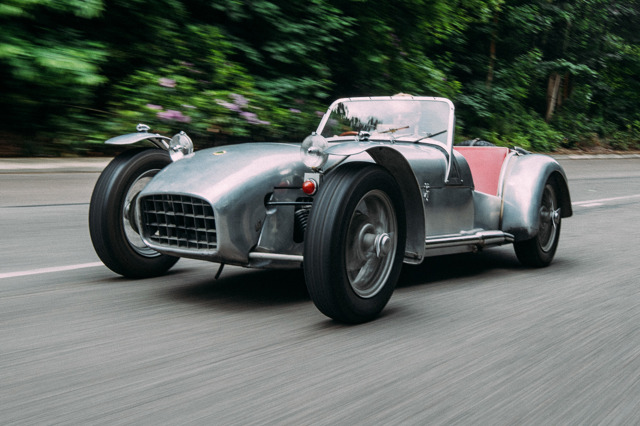
The Lotus 7 is legend is its own lifetime. It was an evolution of the 6 that gained wishbone front suspension and hydraulic brakes. It was transport in its most basic form, initially sold with Ford’s sidevalve, but later the 948cc BMC A-series and four-speed ‘box; from 1961 there was also the option of the 997cc Anglia Kent engines. Short of space for those of large frame or large feet.
The Series 3 came with their Ford engines in all sizes from 1300-1600cc. This is the car that was revived officially by Caterham and unofficially by everyone else, but the 350 or so originals command a decent premium for all that heritage. Still largely sold as kits originally, which means fit and finish has always been variable.
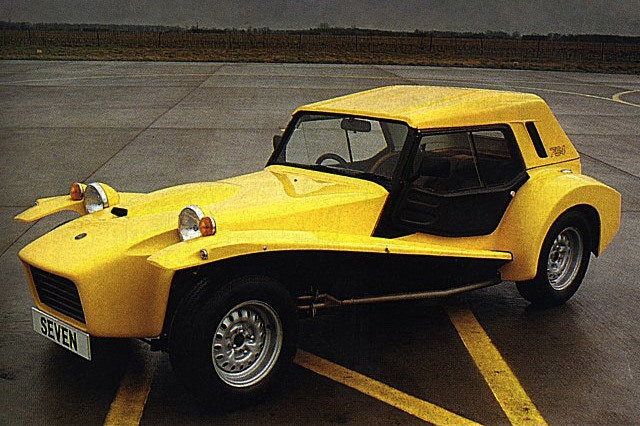
The final Lotus 7, the Series 4 was an evolution too far. In some ways it’s a better car, with decent legroom at last, improved front and rear suspension and all-glassfibre bodywork over a new steel chassis. Its higher kerbweight slightly blunted the performance and handling that made the 7 such an outstandingly fun car. It offers a way in to Seven ownership, but you can see why Caterham went back to the S3 when they took over manufacture.
The Lotus Super 7 was an inexpensive and fun car with considerable performance from modest engines. So imagine how good it would be with more power? Colin Chapman certainly did. So, the Super 7 was created by building what it considered was the perfect race car for the road.
The Super 7 came with longer glassfibre front wings and Cosworth-tuned Ford engines of 1340, 1500 or 1600cc capacity and phenomenal performance. To reign this back, those with the larger engines came with disc brakes. Many were still sold as kits, and they’ve always appealed to those of a tinkering nature, so expect the random problems across the board. A dozen or so ‘Super-Super 7s’ were fitted with Lotus twin-cam engines, for utterly amazing performance.
